The Chrysler Museum and the Ghent That Grew Around It
One of America's great mid-sized art museums sits free to enter at the edge of the Hague. How Walter Chrysler's collection landed in Norfolk — and stayed the neighborhood's living room.
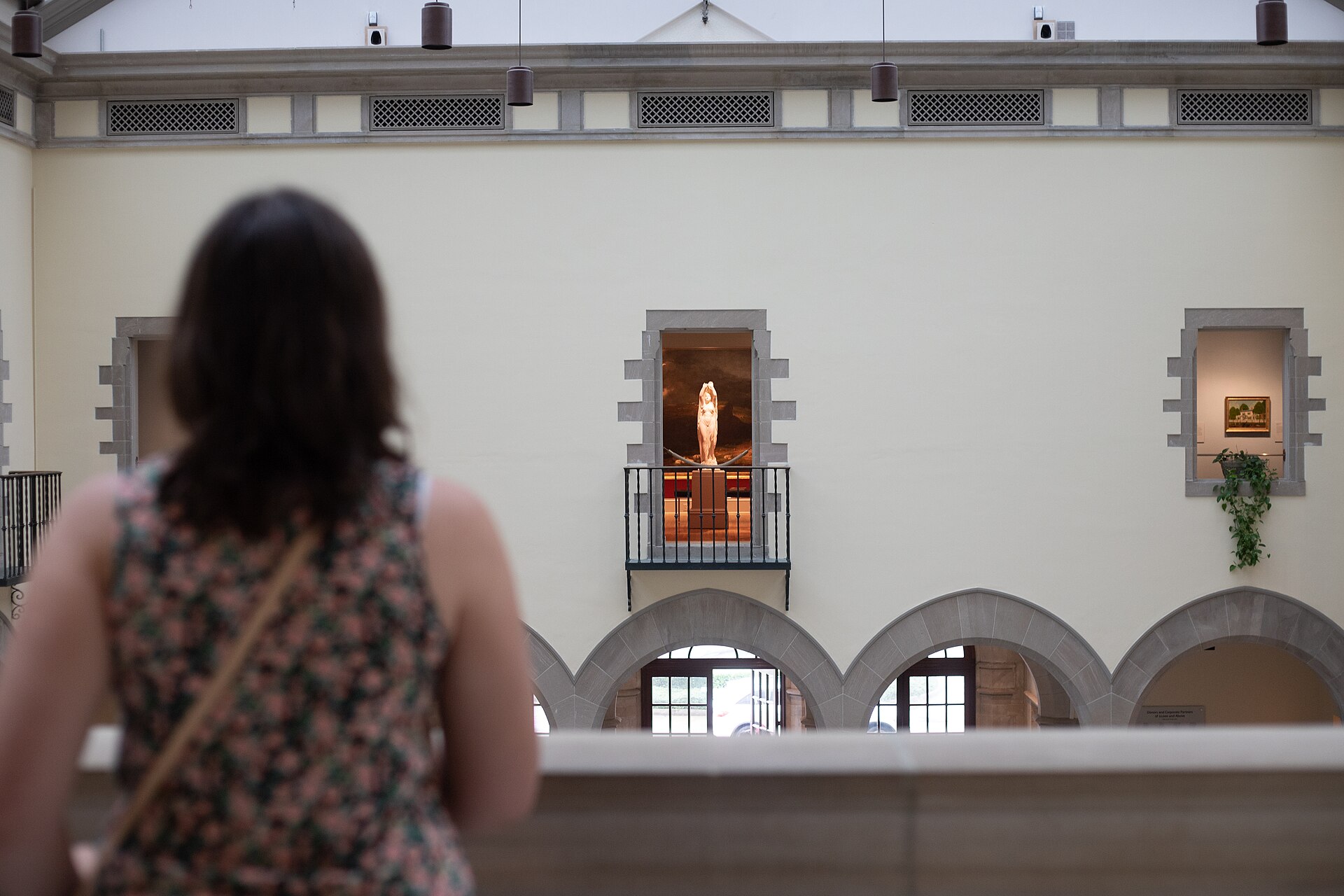
The gift still seems unlikely: Walter P. Chrysler Jr., the auto heir and one of the twentieth century's great collectors, chose Norfolk for his museum in 1971, bringing a collection of national rank — glass, painting, sculpture across five thousand years — to a city that proceeded to build its cultural identity around it. The Chrysler Museum of Art, on the Hague inlet at the edge of Ghent, has been free to all for a decade now, which suits its founding bargain: a world-class collection held as a public trust.
The building rewards the visit in layers: European painting and American art in the main galleries, one of the finest glass collections anywhere — crowned by the Perry Glass Studio next door, where glassblowing demonstrations and classes keep the medium at working temperature — and a steady rotation of exhibitions that bring Norfolk audiences what traveling shows usually reserve for larger cities.
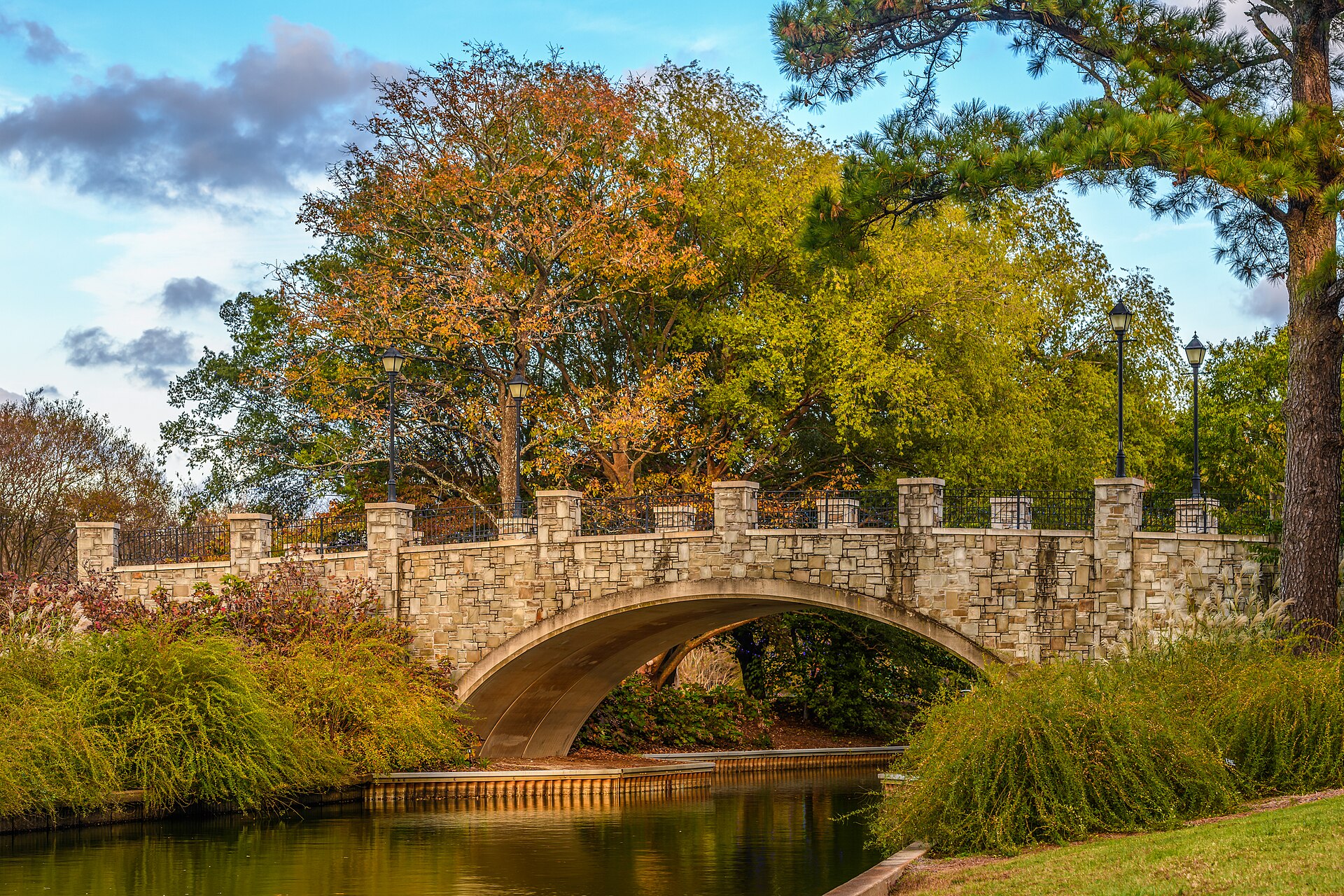
Ghent, the streetcar suburb around it, is the museum's frame: the Hague's water and bridges, Stockley Gardens' art shows in spring and fall, Colley Avenue's restaurants and the Naro Expanded Cinema's marquee a few blocks away. The neighborhood and the museum grew into the same sentence — Norfolk's densest concentration of the things people mean when they say a city has a scene.
November is museum weather, and the Chrysler knows its season: new rotations in the galleries, the studio's furnaces at full glow against the cold, the Hague gray and photogenic outside the glass doors. Admission is free. The excuse is gone. Go stand in front of something five hundred years old and let Ghent do the rest.