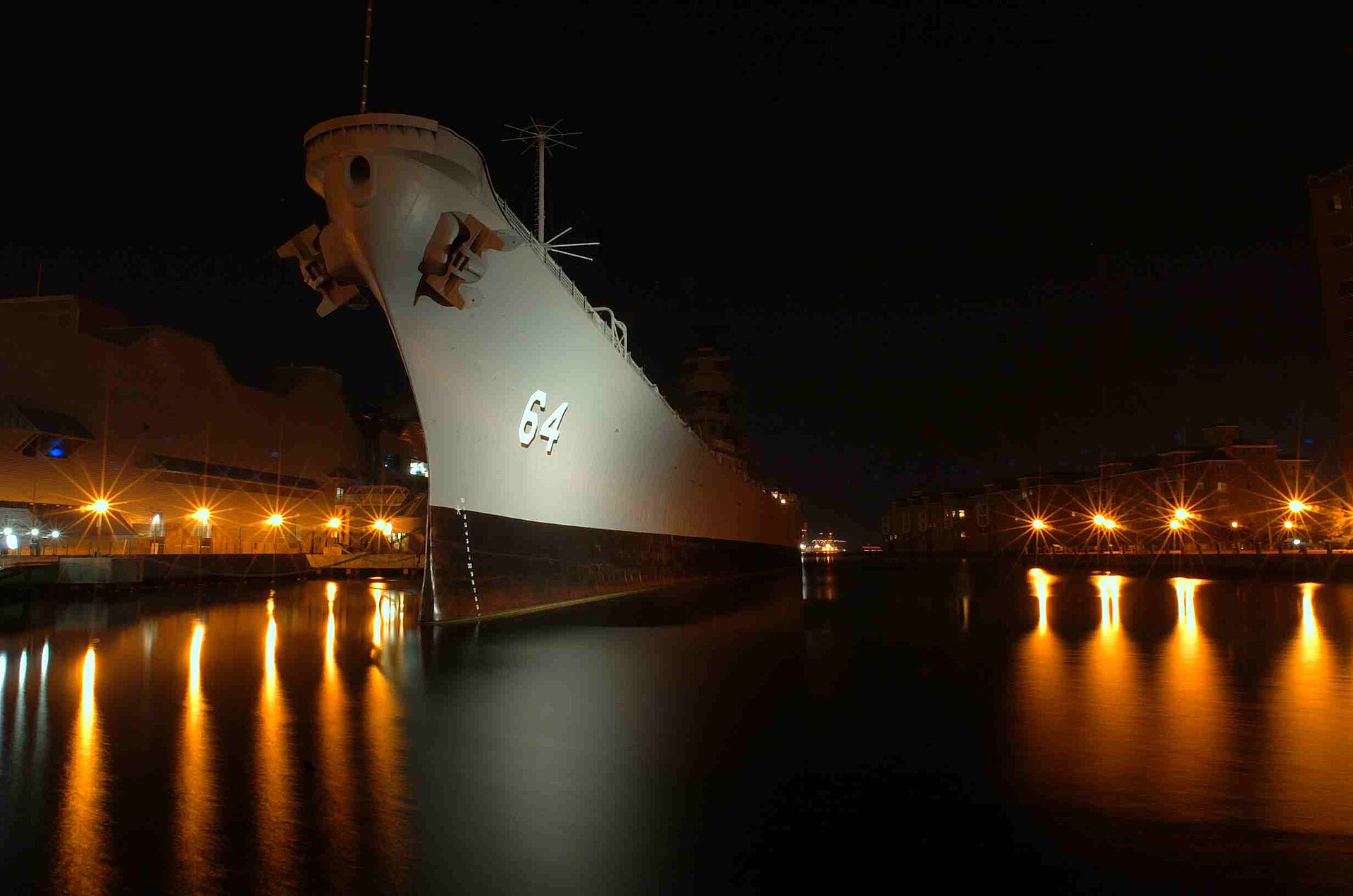
Naval Station Norfolk: The Largest Navy Base on Earth Runs on a City Schedule
Seventy-five ships, fourteen piers, a city within the city. How the world's largest naval station shapes Norfolk's mornings, economy and skyline — every single day.
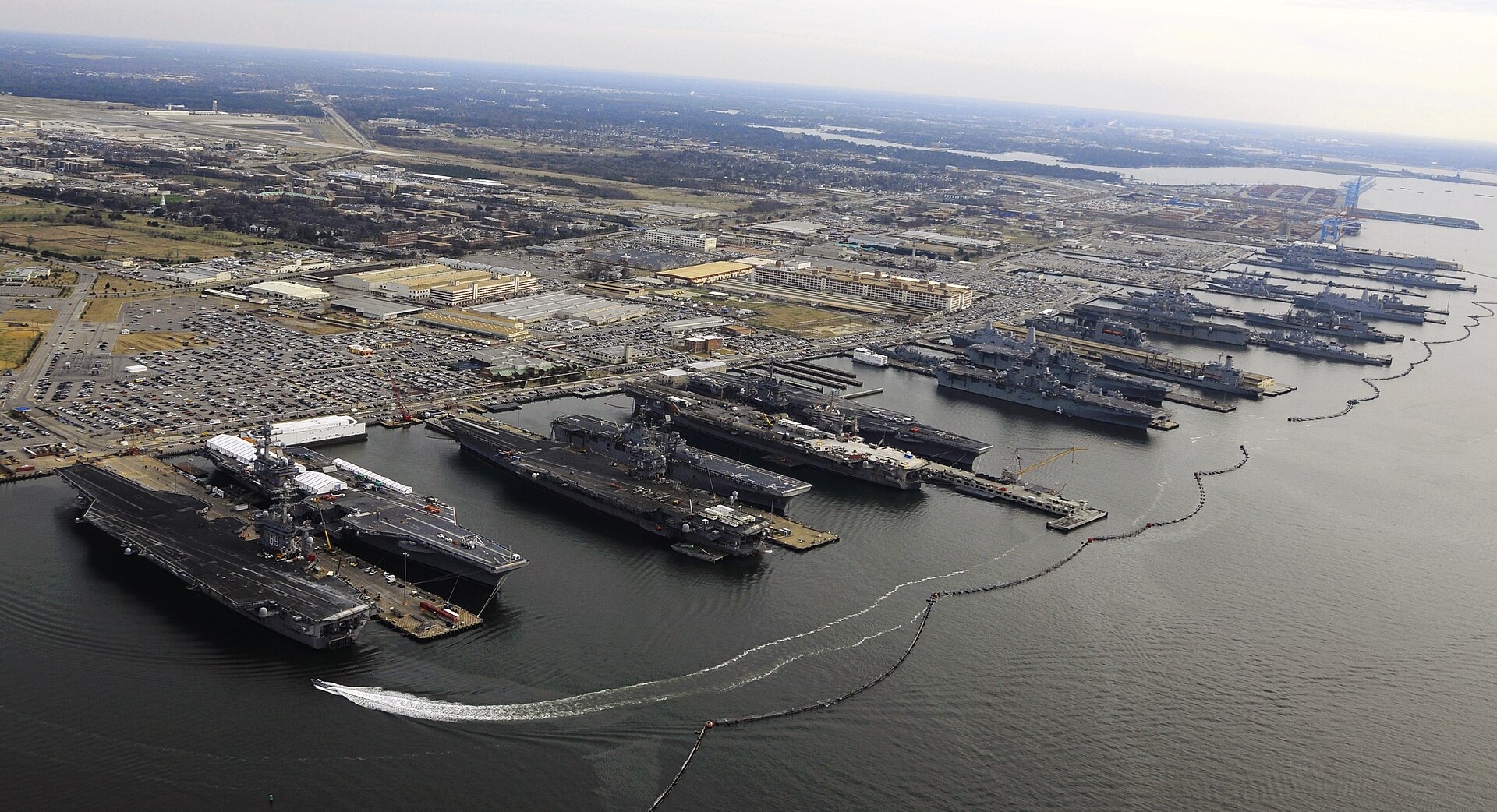
Stand at the end of Hampton Boulevard at dawn and the scale announces itself: aircraft carriers at the piers, destroyers and cruisers nested along the waterfront, thousands of sailors and civilians streaming through the gates. Naval Station Norfolk — the largest naval station in the world — is not in Norfolk so much as Norfolk is arranged around it.
The numbers have held their title for decades: the station supports some 75 ships and well over a hundred aircraft squadrons at Naval Air Station Chambers Field next door, with a uniformed and civilian population that rivals a mid-sized city. Its piers berth the Atlantic Fleet's carrier strike groups; its runways launch the patrol squadrons that watch the world's oceans. When a carrier strike group deploys or comes home, Norfolk's traffic, hotels and flower shops feel it in the same hour.
The relationship is economic bedrock and daily logistics at once. The Navy is Hampton Roads' largest employer, and Norfolk's defense economy — ship repair yards, contractors, the base's supply chain — moves to the fleet's rhythm. It is also, at shift change, a traffic event: I-564 exists essentially to pour the base's workforce between the piers and the region's highways, and the morning pulse up Hampton Boulevard is timed to colors.
For the city, the base is also a mirror: Norfolk's identity as a Navy town is worn openly, from the fleet's homecoming banners to the Tides' Navy nights at Harbor Park. Other cities host bases. Norfolk is one — a port city whose largest citizen flies flags from fourteen piers.