The Bridge-Tunnel Bargain: HRBT Expansion and the I-64 Commute That Defines Hampton Roads
Four lanes where eight are needed, an expansion project measured in billions, and a region that plans its day around a tunnel's mood. The state of the Hampton Roads Bridge-Tunnel.
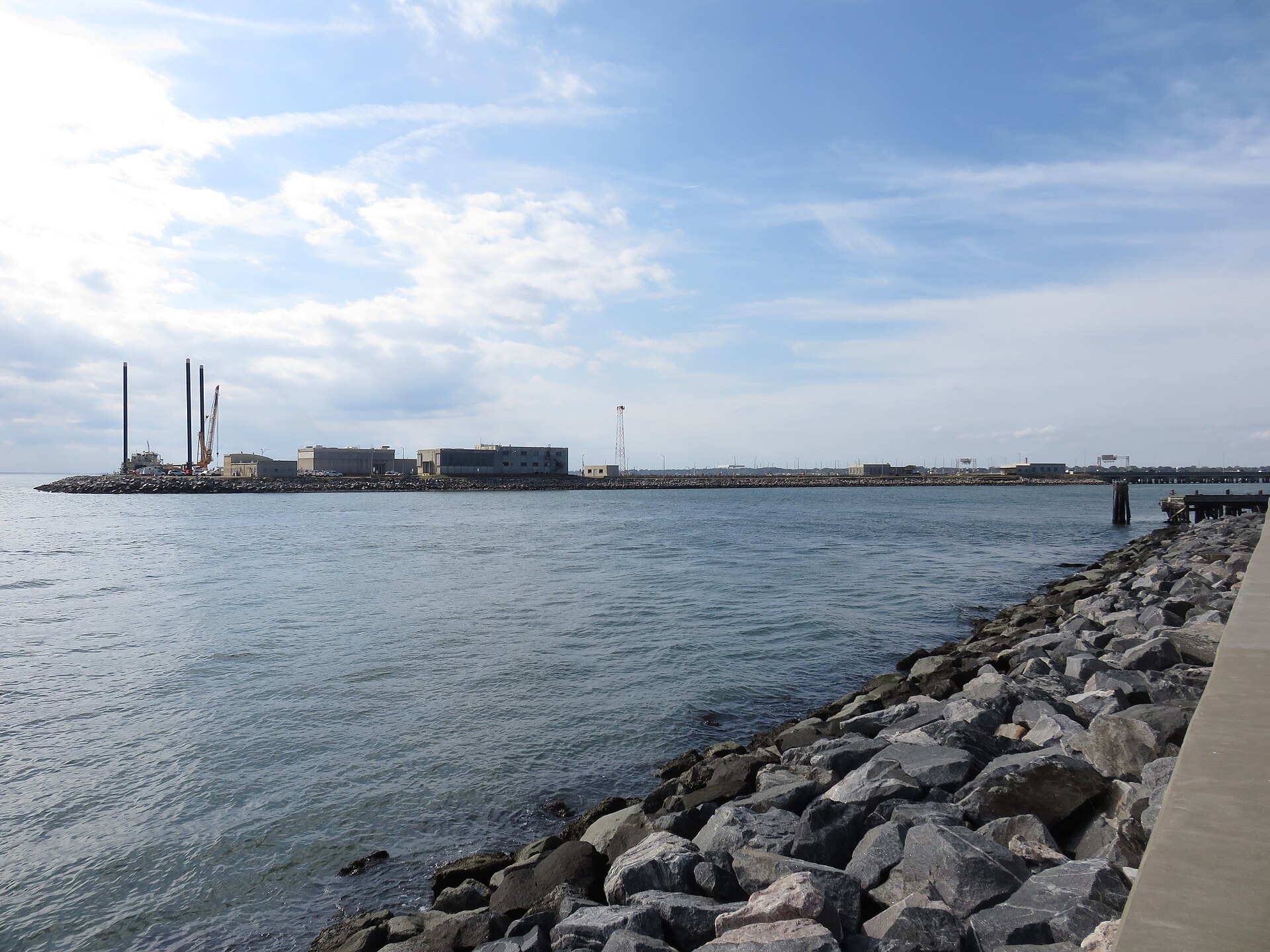
Every region has a traffic sentence it cannot finish. Hampton Roads' is the HRBT: the Hampton Roads Bridge-Tunnel, carrying I-64 between Norfolk and Hampton since 1957 across the mouth of the harbor — two lanes each way under one of the busiest shipping channels on Earth, and the single most consequential bottleneck in southeastern Virginia.
The expansion is the largest transportation project in Virginia history: twin new two-lane tunnels bored beside the existing ones, widening to eight lanes between the shores, at a cost measured in the billions and a construction timeline that has the region's drivers counting in years. The boring machine that dug the first new tube has already become local folklore — named Mary, after civil rights leader Mary Jackson of Hampton — and the project's marine works have rearranged the water around the tunnel islands for years.
Until it opens, the old bargain holds: the Monitor-Merrimac (I-664) as the release valve, the James River Bridge as the long way, and a morning calculus every Norfolk commuter performs — check the tunnel, check the backups, choose. Incidents inside the tubes are the region's true rush-hour weather: a single stalled vehicle at 8 a.m. is felt in Virginia Beach by nine.
November adds its seasonings: wind restrictions on the exposed bridge approaches in nor'easters, holiday volume building toward Thanksgiving, and the project's construction zones shifting lanes in the dark. The expansion is coming — bored, lined and real. Until the new tubes open, the region drives the 1957 version, and drives it carefully.