The Port of Virginia Runs Through Norfolk: Cranes, Channels and the Cargo of Christmas
Norfolk International Terminals is one of the East Coast's great container ports, and November is its surge. A look at the harbor economy humming behind the city's northern waterfront.
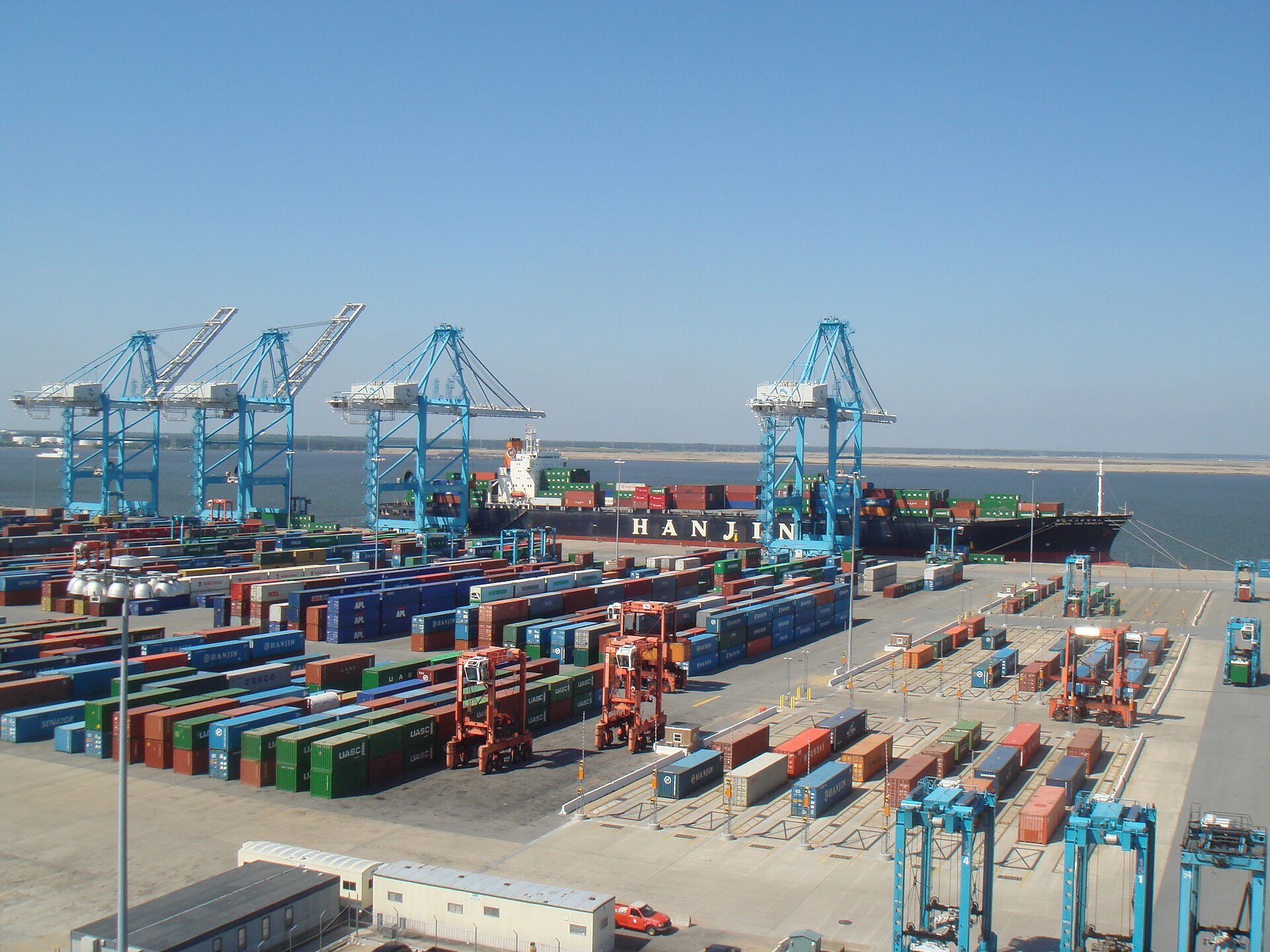
From the water, Norfolk's working face is a wall of cranes. Norfolk International Terminals — NIT, on the Elizabeth River's western shore — is the Port of Virginia's largest terminal: nearly 650 acres, served by some of the biggest ship-to-shore cranes on the East Coast, handling the container ships of the Atlantic trade alongside its sister terminals in Portsmouth, Newport News and Richmond.
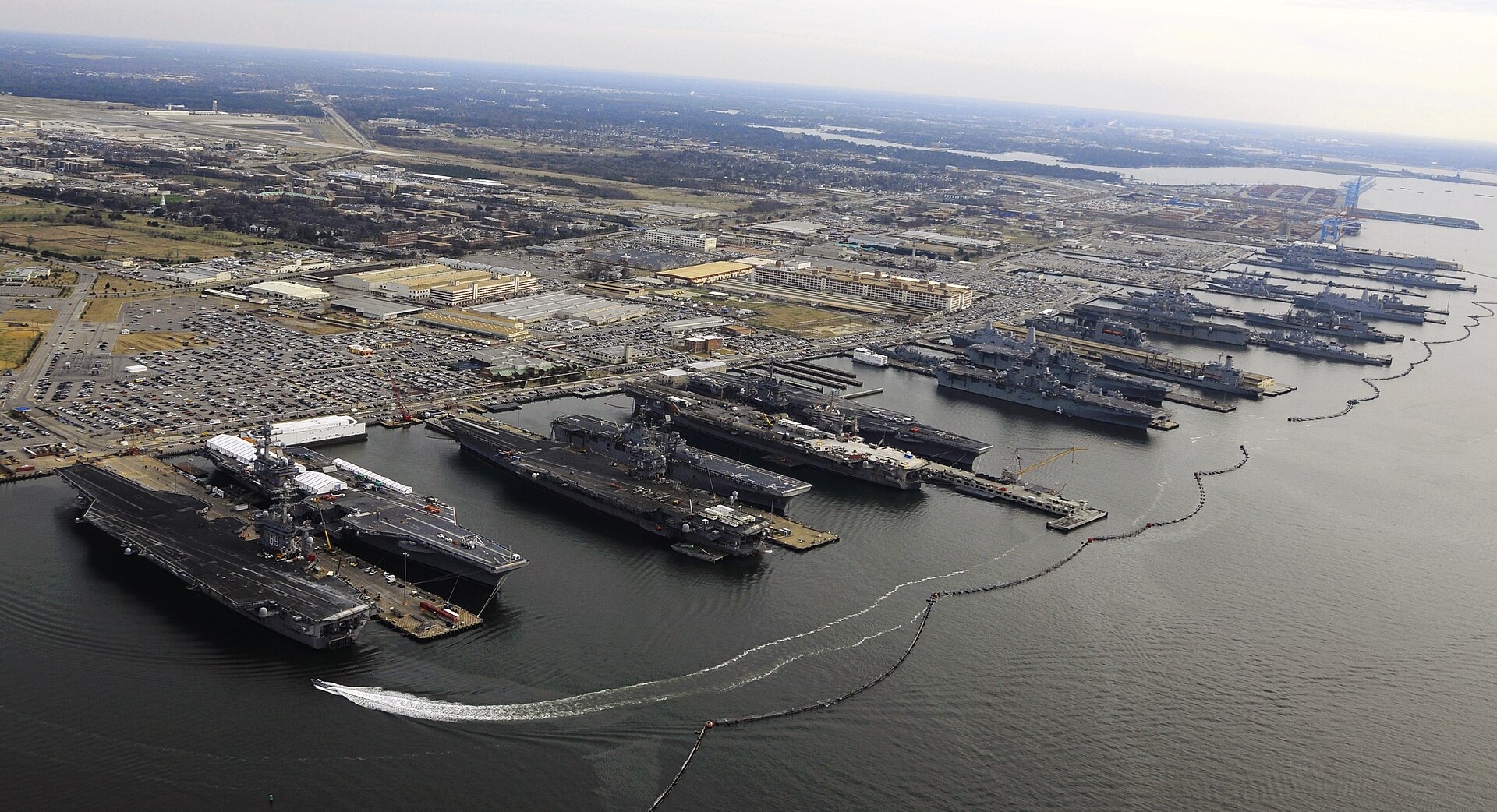
The port's modern advantages are geographic and earned: a natural harbor with the East Coast's deepest channels — dredged to 55 feet — no bridges between the terminals and the open sea, and on-dock rail that puts the Midwest two days away. The Virginia Port Authority runs the system as a single operating port, a model that has made Hampton Roads a fixture in the top tier of American container gateways and the region's largest single economic engine alongside the Navy.
November is surge season: the holiday cargo wave that left Asian factories in late summer clears the terminals now — containers stacked in their colored geology, trucks queuing at the gates the port has spent years automating, and the rail yards loading doublestacks through the night. Every one of those boxes is a small vote about consumer demand, counted in public by the port's monthly statistics.
The port's next chapter is written in steel and depth: channel widening to let two ultra-large ships pass, terminal automation expanding at NIT, and wind-energy staging at Portsmouth for the offshore turbines rising off Virginia Beach. Norfolk's cargo is changing. Its position — the deep water at the mouth of the Chesapeake — is not.